
NCCIA: fake profiles and online blackmail are crimes - report them on 1799
NCCIA says making fake social media profiles of women, leaking their pictures or personal data and blackmailing them online are punishable cybercrimes, and asks victims not to stay silent.
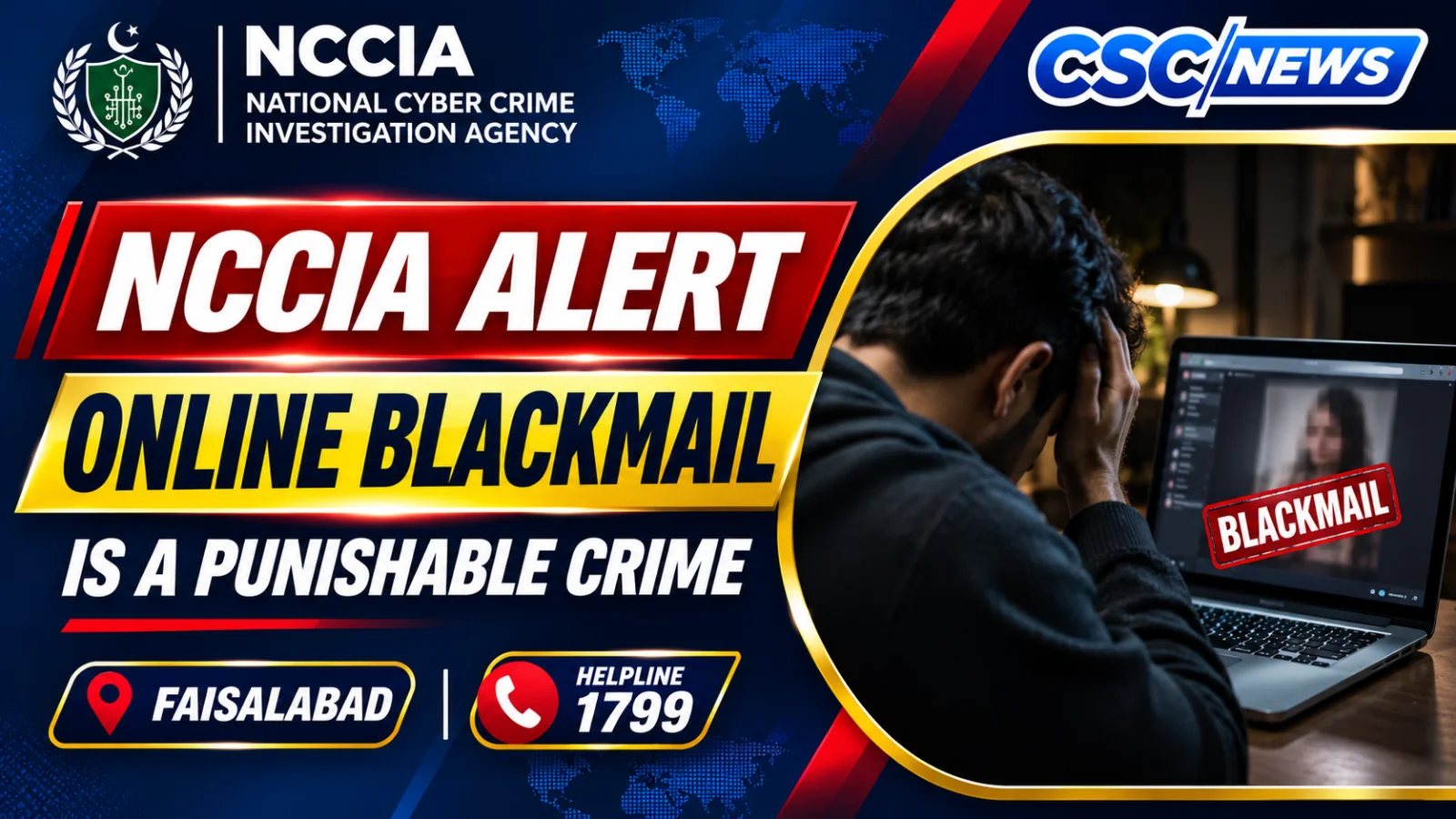
The National Cyber Crime Investigation Agency (NCCIA) said on 18 October 2026 that creating fake social media profiles of women, leaking their personal data or pictures, and blackmailing them online are punishable cybercrimes. The agency asked people not to stay silent and to report online harassment, fake profiles, misuse of private images and blackmail through its helpline 1799, together with their evidence.
How these cases usually start
- A profile appears with your name and photos, often taken from your own account, and starts adding your family or friends.
- A stranger becomes friendly, then asks for pictures or a video call, and later threatens to share them.
- Someone gets hold of private pictures or chats and demands money, more pictures or a meeting, and sets a deadline.
Many people pay or stay quiet because they feel ashamed or scared. Paying rarely ends it: once a blackmailer knows you will pay, the demands usually come back.
Keep the evidence before you block
Before blocking or deleting anything, take screenshots of the fake profile with its link or username, the chats, the threats and any account or wallet number the person asked you to pay into. Write down the dates. NCCIA asks for this evidence with the complaint.
Then report the fake profile to the platform as well. Facebook, Instagram and TikTok all have a report option for accounts that pretend to be you or someone you know.
You are not the one in the wrong
The person who makes a fake profile or threatens to leak pictures is committing the crime. You can call NCCIA on 1799, and you can also contact LWF-CSC for free, confidential help with the complaint.
What you should do
- Do not pay and do not send more pictures - blackmailers usually come back for more.
- Save evidence first: screenshots of the profile link or username, the chats, the threats and any account or wallet number.
- Report the fake profile on the platform (Facebook, Instagram, TikTok) using its report option for impersonation.
- Call the NCCIA helpline 1799 and file a complaint with your evidence.
- Tell one person you trust. You can also get free, confidential help from LWF-CSC with the complaint.
Already lost money? Call your bank's helpline at once, then file a complaint with NCCIA. How to report
Sources
- NCCIA warning, 18 Oct 2026 (TechJuice)techjuice.pk
- NCCIA cyber safety pagenccia.gov.pk
By LWF-CSC Desk
Scam alerts and safety guides from the team at the LWF Cyber Security Cell.
All articlesRead next
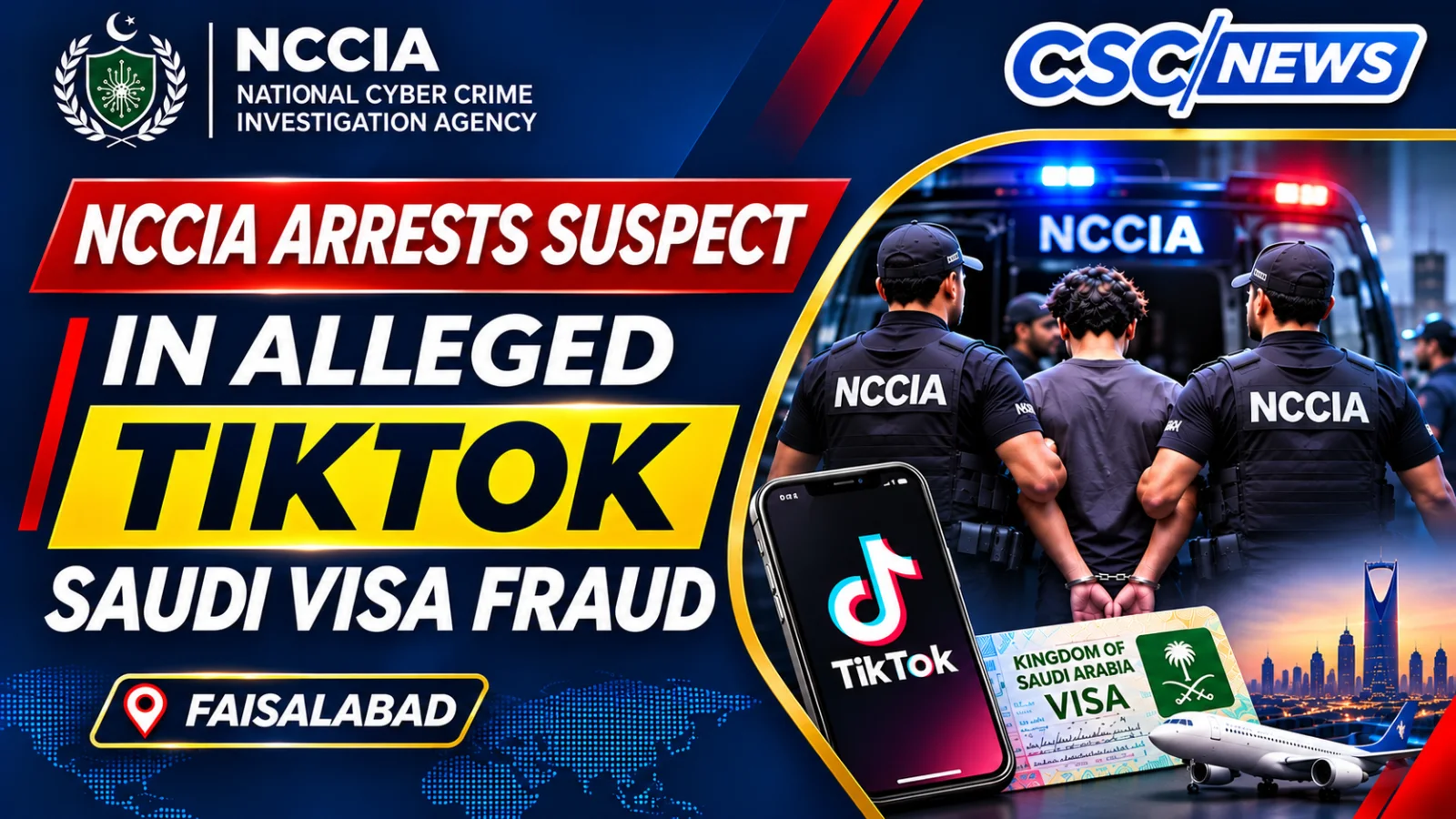 Scam alertsNCCIA Arrests Suspect in Alleged TikTok Saudi Visa Fraud in FaisalabadPakistan's NCCIA has arrested a suspect in Faisalabad over an alleged Saudi visa fraud scheme promoted through TikTok. Investigators reportedly recovered two mobile phones and 10 SIM cards and examined financial accounts linked to the case.
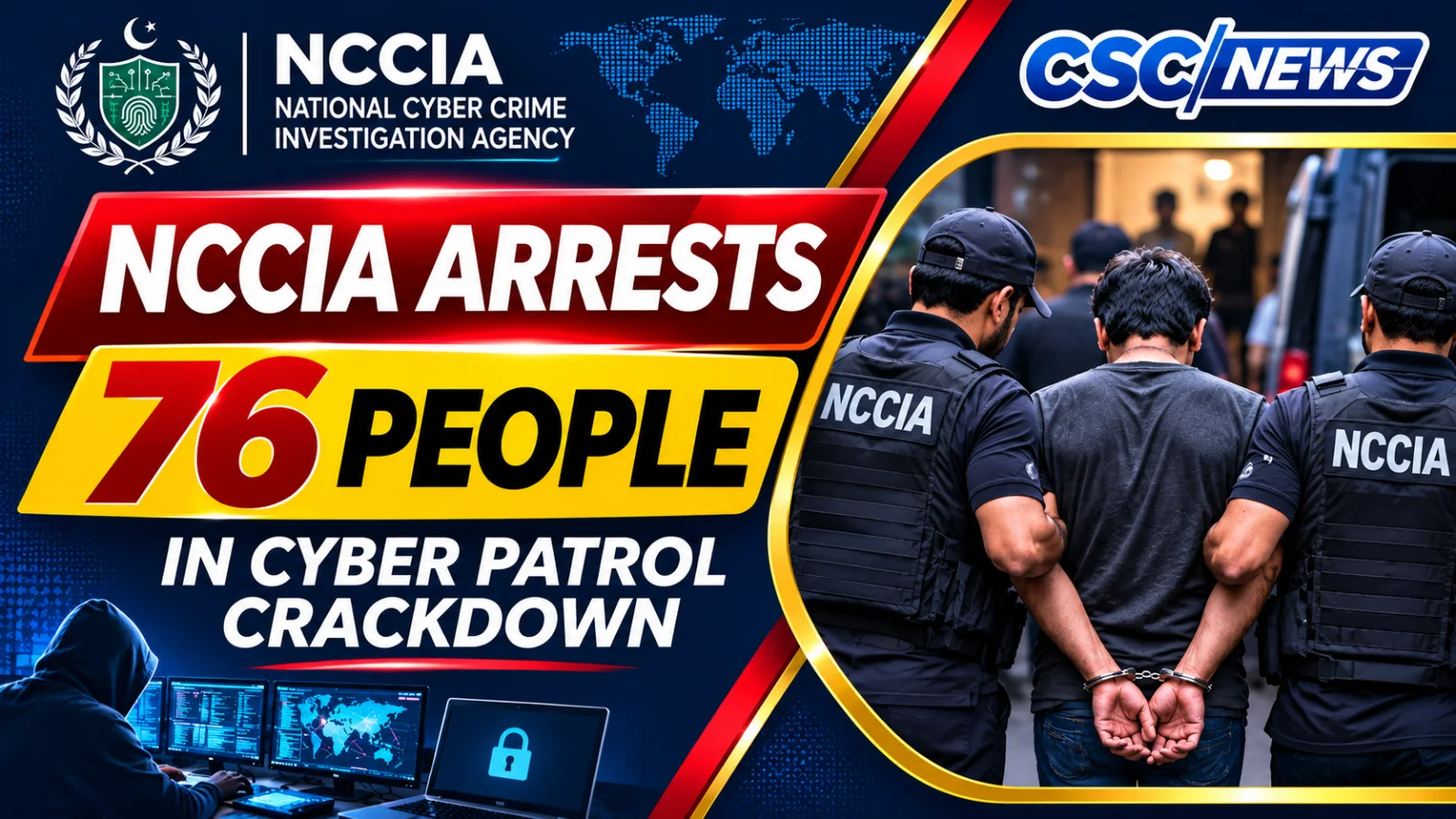 Law & policyNCCIA says 76 people arrested in cyber patrol crackdownPakistan's NCCIA says 17 cyber patrol units are monitoring online threats nationwide, with more than 76 suspects arrested. The units focus on cybercrime, fake news and online harassment, using AI-assisted monitoring tools.
 Mobile & SIMPTA warns: calls from 'PTA', banks or couriers asking for your OTP or CNIC are fraudScammers pose as PTA staff, banks and courier companies and threaten to block your SIM or account to get your OTP, CNIC, PIN or password. Here is how the trick works and what to do.
Targeted by a scam like this? Tell us — the cell's help is free.
Get help